
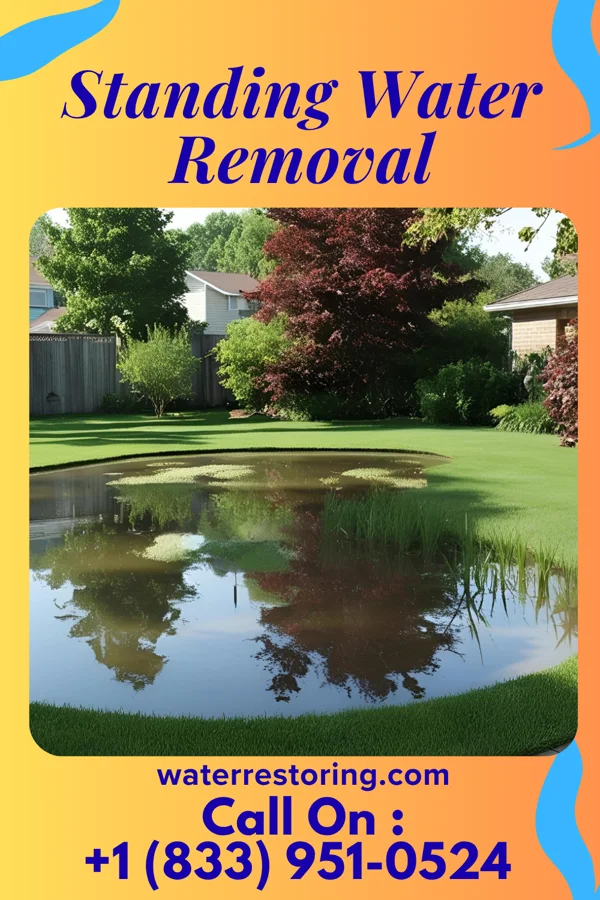
Why Dunlap Standing Water Demands Fast Removal
Most water damage emergencies in Dunlap start with In Dunlap, Illinois, water damage is often caused by leaking roofs, plumbing failures, and storm-related flooding due to its rural location and proximity to Mossville and Peoria. The area's climate can lead to sudden downpours, especially during spring and summer months.. A close second is Secondary causes include burst pipes, faulty sump pumps, and groundwater seepage into basements, particularly in older homes. Additionally, nearby agricultural activities can contribute to moisture buildup in the soil, increasing the risk of water infiltration.. From the second water touches the property, every minute changes what gets saved and what gets ripped out.
Dunlap experiences a humid continental climate with significant rainfall, making it prone to water damage from both natural and man-made sources. The area's rural setting also means that drainage systems may be less developed, increasing the risk of localized flooding.
Most standing water removal calls in Dunlap come from In Dunlap, Illinois, water damage is often caused by leaking roofs, plumbing failures, and storm-related flooding due to its rural location and proximity to Mossville and Peoria. The area's climate can lead to sudden downpours, especially during spring and summer months.. Running a close second is Secondary causes include burst pipes, faulty sump pumps, and groundwater seepage into basements, particularly in older homes. Additionally, nearby agricultural activities can contribute to moisture buildup in the soil, increasing the risk of water infiltration.. Local mold risk: Mold can develop quickly in Dunlap's humid climate, especially in older homes with poor insulation or inadequate ventilation. Prompt water damage restoration is critical to prevent mold growth and protect indoor air quality.